Buy rätsel.eu ?
We are moving the project
rätsel.eu .
Are you interested in purchasing the domain
rätsel.eu ?
domain@kv-gmbh.de · 0541-91531010
Buy rätsel.eu ?
What is non-participatory observation? What is deliberate observation? What is unintentional observation?
Non-participatory observation is when the observer remains separate from the group being observed and does not interact with them. This type of observation allows the observer to remain objective and not influence the behavior of the group. Deliberate observation is when the observer intentionally focuses on specific behaviors or aspects of the group being observed. This type of observation is often used in research to gather specific data or insights. Unintentional observation is when the observer passively notices and absorbs information about a group or situation without intentionally focusing on specific aspects. This type of observation can occur in everyday life, such as when someone casually observes the behavior of people in a public setting. **
Is it "during my observation day," "during my observation day," or "during my observation day"?
The correct phrase is "during my observation day." This phrase indicates that the action or event is happening at some point in time while you are observing. The use of "during" shows the relationship between the observation day and the action taking place. **

Similar search terms for Observation
Top-Angebote
Products related to Observation:
-
Uplift Essentials Bird Feeder High Definition Wildlife Observation Bird Feeder High Definition Wildlife Observation"Experience the beauty of nature from the comfort of your living room with the CrystalView Window Bird Feeder. Crafted from ultraclear, heavyduty acrylic, this ""bird house"" feeder offers an unobstructed, 360 view of your favorite local birds as they..."31,97 $*Shipping: 0,00 $Secure redirect to the provider
-
Useful Little Things Color Rope Puzzle Board Game Logic Thinking Challenge For Kids blackUntangle, Match, and Solve the Challenge Encourage critical thinking and problem solving skills with this Color Rope Puzzle Board Game. Designed to challenge young minds, this interactive game requires players to untangle, connect, and arrange...29,97 $*Shipping: 0,00 $Secure redirect to the provider
-
Inspire Picks Childrens Puzzle Rope Challenge Board Game Interactive Logic Thinking Game For Kids 1pcTurn playtime into a brainboosting adventure with this engaging kids logic puzzle game designed to challenge and inspire young minds. This interactive rope board game encourages problemsolving, critical thinking, and creativity in a fun, handson...34,93 $*Shipping: 0,00 $Secure redirect to the provider




-
What are examples of covert observation and overt observation?
Covert observation involves observing individuals or groups without their knowledge, such as secretly watching people in a public place or using hidden cameras to monitor behavior. Overt observation, on the other hand, involves openly observing individuals or groups with their knowledge and consent, such as conducting interviews or participating in group activities as a researcher. An example of covert observation could be a researcher secretly watching how people interact in a coffee shop, while an example of overt observation could be a researcher openly observing a classroom setting and taking notes on student behavior. **
-
What distinguishes systematic observation from participant observation in field research?
Systematic observation in field research involves the structured and planned collection of data through direct observation of a specific phenomenon, often using predetermined categories or criteria. On the other hand, participant observation involves the researcher immersing themselves in the social setting being studied, actively participating in the activities and interactions of the group being observed. While systematic observation allows for a more objective and standardized approach to data collection, participant observation provides a deeper understanding of the social context and dynamics by experiencing it firsthand. Ultimately, the main distinction lies in the level of involvement and interaction between the researcher and the subjects of the study. **
-
What distinguishes systematic observation from participatory observation in field research?
Systematic observation in field research involves the structured and predetermined collection of data based on specific variables or behaviors of interest. Researchers use predefined criteria to guide their observations and ensure consistency in data collection. On the other hand, participatory observation involves the researcher immersing themselves in the social setting being studied, actively participating in the activities of the group being observed. This approach allows the researcher to gain a deeper understanding of the context and culture of the group, but may be more subjective and less structured compared to systematic observation. **
-
What is observation 4?
Observation 4 is the act of carefully watching and noting details about a specific event, behavior, or phenomenon. It involves using our senses to gather information and data, without making any assumptions or interpretations. Observation 4 is a key component of the scientific method and is essential for gathering accurate and reliable information in various fields such as research, education, and psychology. **

What is observation 5?
Observation 5 is the act of carefully watching and noting details about a specific event, behavior, or phenomenon. It involves using our senses to gather information and data, without making any assumptions or interpretations. Through observation 5, we can gain a deeper understanding of the world around us and identify patterns or trends that may not be immediately apparent. **
Why is observation important?
Observation is important because it allows us to gather information, gain insights, and understand the world around us. By observing, we can notice patterns, behaviors, and changes that may not be apparent otherwise. Observation also helps us make informed decisions, solve problems, and learn from our surroundings. Overall, observation is a key tool for acquiring knowledge and improving our understanding of the world. **
Top-Angebote
Products related to Observation:
-
Inspire Select Interactive Training Card Set Observation, Logic & Thinking Skill Development Puzzle Cards For Kids intermediateIntroduction Help young minds develop stronger focus, reasoning, and creativity with this engaging training card set designed for handson learning. Each card features fun, interactive challenges that build observation, memory, and problemsolving...40,98 $*Shipping: 0,00 $Secure redirect to the provider
-
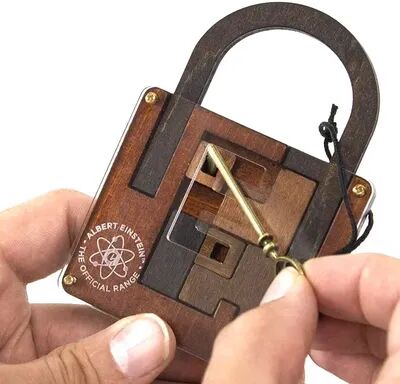
Multisell Products Hub Perfect IQ Lock Challenge Puzzle, Classic Wooden Brainteaser, Cognitive Development Toy For Children Perfect IQ Lock Challenge Puzzle, Classic Wooden Brainteaser, Cognitive Development Toy For ChildrenEngage Your Child's Mind with a Challenging Puzzle Unleash your child's potential with this challenging classic wooden brainteaser puzzle game. Designed to enhance cognitive development, this IQ lock challenge helps improve critical thinking and...49,97 $*Shipping: 0,00 $Secure redirect to the provider
-
Uplift Essentials Bird Feeder High Definition Wildlife Observation Bird Feeder High Definition Wildlife Observation"Experience the beauty of nature from the comfort of your living room with the CrystalView Window Bird Feeder. Crafted from ultraclear, heavyduty acrylic, this ""bird house"" feeder offers an unobstructed, 360 view of your favorite local birds as they..."31,97 $*Shipping: 0,00 $Secure redirect to the provider
-
Useful Little Things Color Rope Puzzle Board Game Logic Thinking Challenge For Kids blackUntangle, Match, and Solve the Challenge Encourage critical thinking and problem solving skills with this Color Rope Puzzle Board Game. Designed to challenge young minds, this interactive game requires players to untangle, connect, and arrange...29,97 $*Shipping: 0,00 $Secure redirect to the provider
-
What is non-participatory observation? What is deliberate observation? What is unintentional observation?
Non-participatory observation is when the observer remains separate from the group being observed and does not interact with them. This type of observation allows the observer to remain objective and not influence the behavior of the group. Deliberate observation is when the observer intentionally focuses on specific behaviors or aspects of the group being observed. This type of observation is often used in research to gather specific data or insights. Unintentional observation is when the observer passively notices and absorbs information about a group or situation without intentionally focusing on specific aspects. This type of observation can occur in everyday life, such as when someone casually observes the behavior of people in a public setting. **
-
Is it "during my observation day," "during my observation day," or "during my observation day"?
The correct phrase is "during my observation day." This phrase indicates that the action or event is happening at some point in time while you are observing. The use of "during" shows the relationship between the observation day and the action taking place. **
-
What are examples of covert observation and overt observation?
Covert observation involves observing individuals or groups without their knowledge, such as secretly watching people in a public place or using hidden cameras to monitor behavior. Overt observation, on the other hand, involves openly observing individuals or groups with their knowledge and consent, such as conducting interviews or participating in group activities as a researcher. An example of covert observation could be a researcher secretly watching how people interact in a coffee shop, while an example of overt observation could be a researcher openly observing a classroom setting and taking notes on student behavior. **
-
What distinguishes systematic observation from participant observation in field research?
Systematic observation in field research involves the structured and planned collection of data through direct observation of a specific phenomenon, often using predetermined categories or criteria. On the other hand, participant observation involves the researcher immersing themselves in the social setting being studied, actively participating in the activities and interactions of the group being observed. While systematic observation allows for a more objective and standardized approach to data collection, participant observation provides a deeper understanding of the social context and dynamics by experiencing it firsthand. Ultimately, the main distinction lies in the level of involvement and interaction between the researcher and the subjects of the study. **
Similar search terms for Observation
-
Inspire Picks Childrens Puzzle Rope Challenge Board Game Interactive Logic Thinking Game For Kids 1pcTurn playtime into a brainboosting adventure with this engaging kids logic puzzle game designed to challenge and inspire young minds. This interactive rope board game encourages problemsolving, critical thinking, and creativity in a fun, handson...34,93 $*Shipping: 0,00 $Secure redirect to the provider
-
Zygomatic Dobble Marvel Emoji - Fast Observation Card Game for Kids 6+Bring fast-paced observation play to your next game session with Dobble Marvel Emoji. This compact card game combines the instantly recognizable Dobble format with expressive emoji-style characters inspired by the Marvel Universe. Every pair of cards shares one matching symbol, but the symbol may vary in size and position. Players race to spot the match before anyone else and call it out, creating quick, lively rounds that are easy to learn and fun to replay. The game features Marvel-themed artwork with expressive emoji-style designs, making it a great addition to any family game night. Dobble Marvel Emoji is suited to group play and offers a different challenge each round as players search for the single matching image. Its small box makes it convenient to store and take along for games away from home.8,49 £*Shipping: 3,95 £Secure redirect to the provider
-
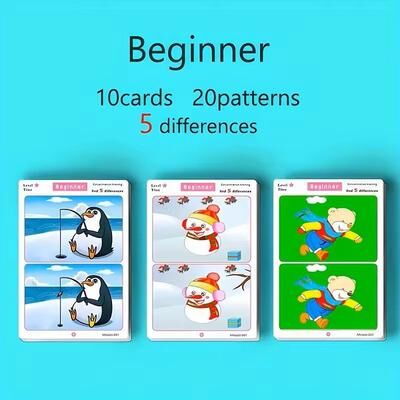
Inspire Select Interactive Training Card Set Observation, Logic & Thinking Skill Development Puzzle Cards For Kids beginnerIntroduction Help young minds develop stronger focus, reasoning, and creativity with this engaging training card set designed for handson learning. Each card features fun, interactive challenges that build observation, memory, and problemsolving...39,98 $*Shipping: 0,00 $Secure redirect to the provider
-
What distinguishes systematic observation from participatory observation in field research?
Systematic observation in field research involves the structured and predetermined collection of data based on specific variables or behaviors of interest. Researchers use predefined criteria to guide their observations and ensure consistency in data collection. On the other hand, participatory observation involves the researcher immersing themselves in the social setting being studied, actively participating in the activities of the group being observed. This approach allows the researcher to gain a deeper understanding of the context and culture of the group, but may be more subjective and less structured compared to systematic observation. **
-
What is observation 4?
Observation 4 is the act of carefully watching and noting details about a specific event, behavior, or phenomenon. It involves using our senses to gather information and data, without making any assumptions or interpretations. Observation 4 is a key component of the scientific method and is essential for gathering accurate and reliable information in various fields such as research, education, and psychology. **
-
What is observation 5?
Observation 5 is the act of carefully watching and noting details about a specific event, behavior, or phenomenon. It involves using our senses to gather information and data, without making any assumptions or interpretations. Through observation 5, we can gain a deeper understanding of the world around us and identify patterns or trends that may not be immediately apparent. **
-
Why is observation important?
Observation is important because it allows us to gather information, gain insights, and understand the world around us. By observing, we can notice patterns, behaviors, and changes that may not be apparent otherwise. Observation also helps us make informed decisions, solve problems, and learn from our surroundings. Overall, observation is a key tool for acquiring knowledge and improving our understanding of the world. **
* All prices are inclusive of VAT and, if applicable, plus shipping costs. The offer information is based on the details provided by the respective shop and is updated through automated processes. Real-time updates do not occur, so deviations can occur in individual cases. ** Note: Parts of this content were created by AI.