Buy rätsel.eu ?
We are moving the project
rätsel.eu .
Are you interested in purchasing the domain
rätsel.eu ?
domain@kv-gmbh.de · 0541-91531010
Buy rätsel.eu ?
Which cells have chloroplasts?
Chloroplasts are found in plant cells and some algae cells. **
How are chloroplasts structured?
Chloroplasts are double-membrane organelles found in plant cells that contain their own DNA and ribosomes. They have a fluid-filled interior called the stroma, where the process of photosynthesis takes place. Within the stroma are stacks of thylakoid membranes called grana, which contain chlorophyll and other pigments that capture light energy. The thylakoid membranes are where the light-dependent reactions of photosynthesis occur, producing ATP and NADPH. Overall, the structure of chloroplasts is highly specialized for the process of photosynthesis, allowing plants to convert light energy into chemical energy. **

Similar search terms for Chloroplasts
Top-Angebote
Products related to Chloroplasts:
-
Inspire Picks Childrens Puzzle Rope Challenge Board Game Interactive Logic Thinking Game For Kids 1pcTurn playtime into a brainboosting adventure with this engaging kids logic puzzle game designed to challenge and inspire young minds. This interactive rope board game encourages problemsolving, critical thinking, and creativity in a fun, handson...34,93 $*Shipping: 0,00 $Secure redirect to the provider
-
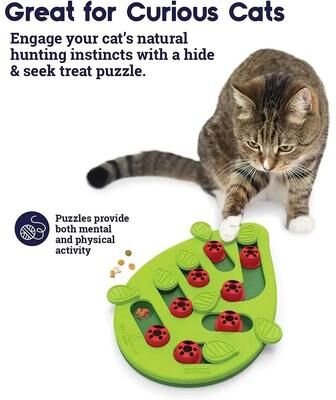
Uplifted Finds Cognitive Challenge Interactive Puzzle Station Cognitive Challenge Interactive Puzzle StationTransform mealtime into a stimulating mental workout with the CognitiveChallenge Puzzle Station, a highutility enrichment module engineered with progressivedifficulty logic. This professionalgrade feeder features a multichambered architecture that...119,97 $*Shipping: 0,00 $Secure redirect to the provider
-
Profile Books Murdle Puzzle Series 3 Books Collection Set by G. T. Karber - Paperback Murder Mystery Logic Puzzle Books - Bestselling Gift for Puzzle FansSharpen your deductive instincts with the Murdle Puzzle Series 3 Books Collection Set, a collection of three bestselling paperback volumes by G. T. Karber. Each book casts you as the brilliant Deductive Logico, tasking you with solving witty, cleverly illustrated murder mystery logic puzzles. This set is perfect for fans of classic whodunits and brain training, and is a great addition to any puzzle enthusiast's library. The Murdle Puzzle Series has become a global phenomenon, and this three-book set collects the complete original trilogy in one paperback bundle. The first book, Murdle, introduces readers to Deductive Logico and a rogues' gallery of suspects, while the second and third books, Murdle: More Killer Puzzles and Murdle: Even More Killer Puzzles, offer increasingly challenging puzzles to solve. Published by Profile Books, this collection is suitable for adult and teenage puzzle enthusiasts aged 12 and above.29,99 £*Shipping: 2,99 £Secure redirect to the provider
-
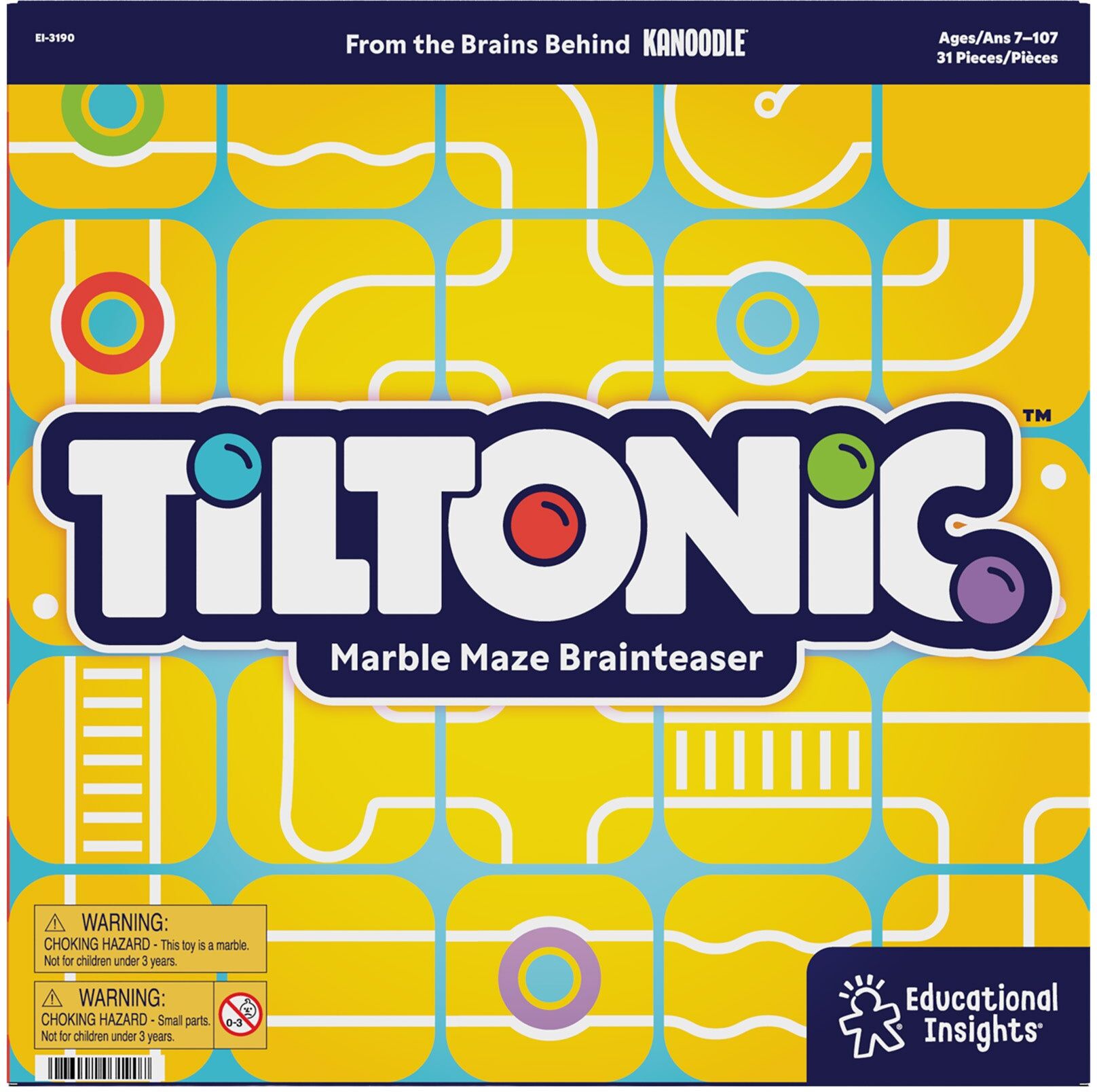
Educational Insights Tiltonic Marble Maze Brainteaser - 7+ - Adjustable Track PuzzleChallenge your problem-solving skills with the Educational Insights Tiltonic Marble Maze Brainteaser. This two-stage puzzle combines maze-building with hands-on marble play, creating a fun challenge for children aged 7 and up. Start by studying one of the included challenge puzzles and arranging the adjustable track pieces on the turquoise game board to create the correct route. Once the maze is ready, tilt the board carefully to guide the four colorful marbles through the track and into their matching destinations. Each challenge encourages players to think ahead, test ideas, and refine their solution. With 50 puzzle challenges, 25 adjustable track pieces, and four marbles, Tiltonic offers plenty of replay value. Children can also design their own marble mazes once they have mastered the included puzzles. The tactile format makes it an engaging alternative to screen-based entertainment while encouraging creativity, logic, critical thinking, and hand-eye coordination.13,89 £*Shipping: 3,95 £Secure redirect to the provider


-
What are mitochondria and chloroplasts?
Mitochondria are membrane-bound organelles found in the cells of eukaryotic organisms, responsible for producing energy in the form of ATP through cellular respiration. They have their own DNA and are thought to have originated from ancient bacteria through endosymbiosis. Chloroplasts are also membrane-bound organelles found in plant cells and some protists, responsible for photosynthesis, the process by which they convert sunlight into energy-rich molecules like glucose. Like mitochondria, chloroplasts also have their own DNA and are believed to have originated from ancient photosynthetic bacteria through endosymbiosis. **
-
Can humans also have chloroplasts?
No, humans cannot have chloroplasts. Chloroplasts are organelles found in plant cells that are responsible for photosynthesis, the process by which plants convert sunlight into energy. Humans do not have chloroplasts because they do not undergo photosynthesis. Instead, humans rely on the consumption of plants and other organisms to obtain the energy they need for survival. **
-
How are chloroplasts and plastids formed?
Chloroplasts and plastids are formed through a process called biogenesis, which involves the replication of existing organelles. They are believed to have originated from endosymbiotic cyanobacteria that were engulfed by a eukaryotic cell. Over time, these cyanobacteria evolved into chloroplasts and plastids, developing a symbiotic relationship with the host cell. This process allowed for the transfer of genetic material between the organelles and the host cell, leading to the formation of chloroplasts and plastids as we know them today. **
-
What are the functions of chloroplasts?
Chloroplasts are the organelles responsible for photosynthesis in plant cells. Their main function is to capture light energy and convert it into chemical energy in the form of glucose, which serves as the primary source of energy for the plant. Chloroplasts also contain chlorophyll, the green pigment that gives plants their color and is essential for the absorption of light during photosynthesis. Additionally, chloroplasts are involved in the synthesis of other important molecules, such as amino acids and lipids, and play a role in the regulation of cellular metabolism. **

Why do chloroplasts have a double membrane?
Chloroplasts have a double membrane because they are believed to have originated from a process called endosymbiosis, where a eukaryotic cell engulfed a photosynthetic prokaryote. The double membrane likely represents the original prokaryotic cell's plasma membrane and the membrane of the vesicle that engulfed it. This double membrane structure helps protect the chloroplast's internal structures and allows for compartmentalization of different metabolic processes within the organelle. **
In which leaf cells are chloroplasts located?
Chloroplasts are located in the mesophyll cells of the leaf. Mesophyll cells are the main site of photosynthesis in the leaf, and they contain numerous chloroplasts, which are responsible for capturing light energy and converting it into chemical energy through the process of photosynthesis. The chloroplasts contain the pigment chlorophyll, which gives leaves their green color and is essential for the absorption of light energy. **
Top-Angebote
Products related to Chloroplasts:
-
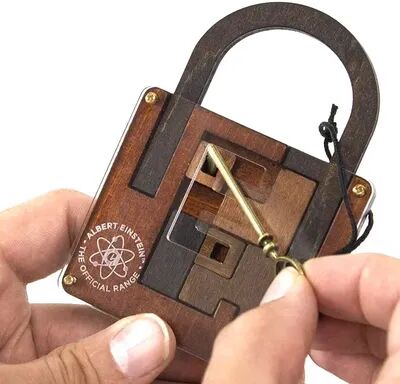
Multisell Products Hub Perfect IQ Lock Challenge Puzzle, Classic Wooden Brainteaser, Cognitive Development Toy For Children Perfect IQ Lock Challenge Puzzle, Classic Wooden Brainteaser, Cognitive Development Toy For ChildrenEngage Your Child's Mind with a Challenging Puzzle Unleash your child's potential with this challenging classic wooden brainteaser puzzle game. Designed to enhance cognitive development, this IQ lock challenge helps improve critical thinking and...49,97 $*Shipping: 0,00 $Secure redirect to the provider
-
Useful Little Things Color Rope Puzzle Board Game Logic Thinking Challenge For Kids blackUntangle, Match, and Solve the Challenge Encourage critical thinking and problem solving skills with this Color Rope Puzzle Board Game. Designed to challenge young minds, this interactive game requires players to untangle, connect, and arrange...29,97 $*Shipping: 0,00 $Secure redirect to the provider
-
Inspire Picks Childrens Puzzle Rope Challenge Board Game Interactive Logic Thinking Game For Kids 1pcTurn playtime into a brainboosting adventure with this engaging kids logic puzzle game designed to challenge and inspire young minds. This interactive rope board game encourages problemsolving, critical thinking, and creativity in a fun, handson...34,93 $*Shipping: 0,00 $Secure redirect to the provider
-
Uplifted Finds Cognitive Challenge Interactive Puzzle Station Cognitive Challenge Interactive Puzzle StationTransform mealtime into a stimulating mental workout with the CognitiveChallenge Puzzle Station, a highutility enrichment module engineered with progressivedifficulty logic. This professionalgrade feeder features a multichambered architecture that...119,97 $*Shipping: 0,00 $Secure redirect to the provider
-
Which cells have chloroplasts?
Chloroplasts are found in plant cells and some algae cells. **
-
How are chloroplasts structured?
Chloroplasts are double-membrane organelles found in plant cells that contain their own DNA and ribosomes. They have a fluid-filled interior called the stroma, where the process of photosynthesis takes place. Within the stroma are stacks of thylakoid membranes called grana, which contain chlorophyll and other pigments that capture light energy. The thylakoid membranes are where the light-dependent reactions of photosynthesis occur, producing ATP and NADPH. Overall, the structure of chloroplasts is highly specialized for the process of photosynthesis, allowing plants to convert light energy into chemical energy. **
-
What are mitochondria and chloroplasts?
Mitochondria are membrane-bound organelles found in the cells of eukaryotic organisms, responsible for producing energy in the form of ATP through cellular respiration. They have their own DNA and are thought to have originated from ancient bacteria through endosymbiosis. Chloroplasts are also membrane-bound organelles found in plant cells and some protists, responsible for photosynthesis, the process by which they convert sunlight into energy-rich molecules like glucose. Like mitochondria, chloroplasts also have their own DNA and are believed to have originated from ancient photosynthetic bacteria through endosymbiosis. **
-
Can humans also have chloroplasts?
No, humans cannot have chloroplasts. Chloroplasts are organelles found in plant cells that are responsible for photosynthesis, the process by which plants convert sunlight into energy. Humans do not have chloroplasts because they do not undergo photosynthesis. Instead, humans rely on the consumption of plants and other organisms to obtain the energy they need for survival. **
Similar search terms for Chloroplasts
-
Profile Books Murdle Puzzle Series 3 Books Collection Set by G. T. Karber - Paperback Murder Mystery Logic Puzzle Books - Bestselling Gift for Puzzle FansSharpen your deductive instincts with the Murdle Puzzle Series 3 Books Collection Set, a collection of three bestselling paperback volumes by G. T. Karber. Each book casts you as the brilliant Deductive Logico, tasking you with solving witty, cleverly illustrated murder mystery logic puzzles. This set is perfect for fans of classic whodunits and brain training, and is a great addition to any puzzle enthusiast's library. The Murdle Puzzle Series has become a global phenomenon, and this three-book set collects the complete original trilogy in one paperback bundle. The first book, Murdle, introduces readers to Deductive Logico and a rogues' gallery of suspects, while the second and third books, Murdle: More Killer Puzzles and Murdle: Even More Killer Puzzles, offer increasingly challenging puzzles to solve. Published by Profile Books, this collection is suitable for adult and teenage puzzle enthusiasts aged 12 and above.29,99 £*Shipping: 2,99 £Secure redirect to the provider
-
Educational Insights Tiltonic Marble Maze Brainteaser - 7+ - Adjustable Track PuzzleChallenge your problem-solving skills with the Educational Insights Tiltonic Marble Maze Brainteaser. This two-stage puzzle combines maze-building with hands-on marble play, creating a fun challenge for children aged 7 and up. Start by studying one of the included challenge puzzles and arranging the adjustable track pieces on the turquoise game board to create the correct route. Once the maze is ready, tilt the board carefully to guide the four colorful marbles through the track and into their matching destinations. Each challenge encourages players to think ahead, test ideas, and refine their solution. With 50 puzzle challenges, 25 adjustable track pieces, and four marbles, Tiltonic offers plenty of replay value. Children can also design their own marble mazes once they have mastered the included puzzles. The tactile format makes it an engaging alternative to screen-based entertainment while encouraging creativity, logic, critical thinking, and hand-eye coordination.13,89 £*Shipping: 3,95 £Secure redirect to the provider
-
Inspired Living Wooden IQ Lock Puzzle High Difficulty Brainteaser For Focus And Problem Solving Wooden IQ Lock Puzzle High Difficulty Brainteaser For Focus And Problem SolvingChallenge your mind with a wooden IQ lock puzzle designed for handson problemsolving and screenfree play. Its very high difficulty rewards patience and strategic thinking as you work toward fitting the pieces correctly. The wooden construction...23,97 $*Shipping: 0,00 $Secure redirect to the provider
-
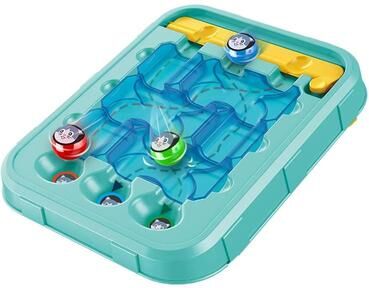
Inspired Finds Kids Ball Maze Logic Puzzle Toy Kids Ball Maze Logic Puzzle ToyTurn quiet afternoons into brainteasing, fun learning sessions with this Kids Ball Maze Logic Puzzle Toy a compact, handson game that challenges childrens thinking, planning, and finemotor skills. Ideal for curious young minds, this ball maze toy...39,99 $*Shipping: 0,00 $Secure redirect to the provider
-
How are chloroplasts and plastids formed?
Chloroplasts and plastids are formed through a process called biogenesis, which involves the replication of existing organelles. They are believed to have originated from endosymbiotic cyanobacteria that were engulfed by a eukaryotic cell. Over time, these cyanobacteria evolved into chloroplasts and plastids, developing a symbiotic relationship with the host cell. This process allowed for the transfer of genetic material between the organelles and the host cell, leading to the formation of chloroplasts and plastids as we know them today. **
-
What are the functions of chloroplasts?
Chloroplasts are the organelles responsible for photosynthesis in plant cells. Their main function is to capture light energy and convert it into chemical energy in the form of glucose, which serves as the primary source of energy for the plant. Chloroplasts also contain chlorophyll, the green pigment that gives plants their color and is essential for the absorption of light during photosynthesis. Additionally, chloroplasts are involved in the synthesis of other important molecules, such as amino acids and lipids, and play a role in the regulation of cellular metabolism. **
-
Why do chloroplasts have a double membrane?
Chloroplasts have a double membrane because they are believed to have originated from a process called endosymbiosis, where a eukaryotic cell engulfed a photosynthetic prokaryote. The double membrane likely represents the original prokaryotic cell's plasma membrane and the membrane of the vesicle that engulfed it. This double membrane structure helps protect the chloroplast's internal structures and allows for compartmentalization of different metabolic processes within the organelle. **
-
In which leaf cells are chloroplasts located?
Chloroplasts are located in the mesophyll cells of the leaf. Mesophyll cells are the main site of photosynthesis in the leaf, and they contain numerous chloroplasts, which are responsible for capturing light energy and converting it into chemical energy through the process of photosynthesis. The chloroplasts contain the pigment chlorophyll, which gives leaves their green color and is essential for the absorption of light energy. **
* All prices are inclusive of VAT and, if applicable, plus shipping costs. The offer information is based on the details provided by the respective shop and is updated through automated processes. Real-time updates do not occur, so deviations can occur in individual cases. ** Note: Parts of this content were created by AI.